
Choosing the Right Sand Washing Equipment
7016535987 • August 7, 2024
Sand Washing Equipment Explained
Sand Screws vs. Cyclones
Understanding Sand Screws
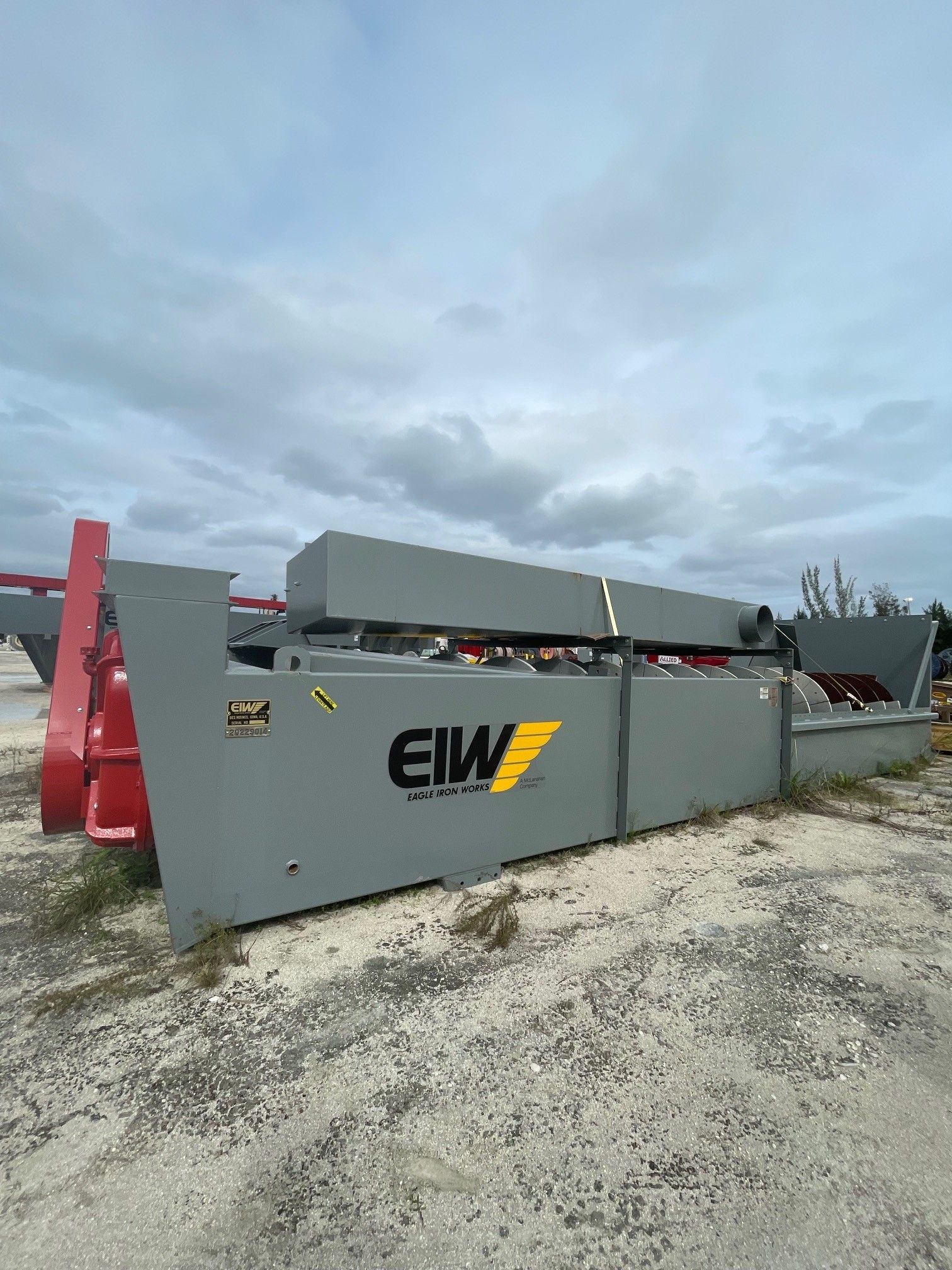
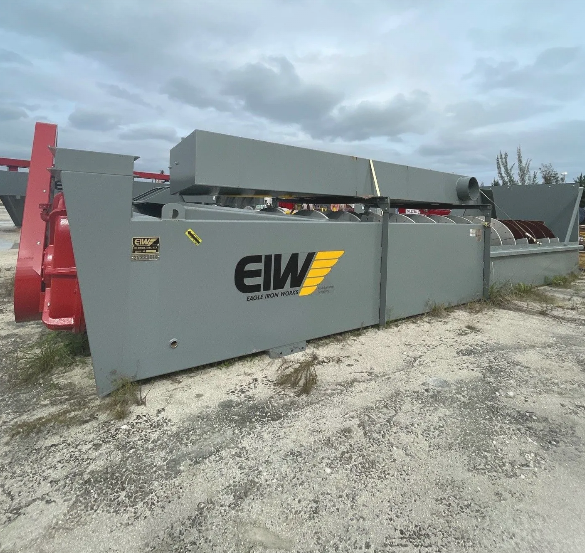
Sand screws integrate washing
and dewatering in a single machine. They feature rotating screw shafts with spiral flights housed in an inclined tub. Feed mixes with water in the washing area, where heavier particles settle at the tub's bottom. Lighter particles float to the surface and exit through side weirs. Rotating shafts convey coarse material up an incline, allowing water to flow back, aiding in dewatering.
Insight into Cyclones
Cyclones consist of hollow conical sections handling slurry feeds under pressure and volume. Centrifugal forces push larger particles to the cyclone's outer edges, while finer particles and water move upward towards the overflow. Cyclones excel at capturing fine particles but require consistent feed conditions to operate effectively.
Comparing Sand Screws and Cyclones
Sand screws excel with flexible feed tolerance and abrasion-resistant dewatering of coarse aggregates. However, they struggle to capture ultra-fine particles. Cyclones, efficient in fine particle retention, are sensitive to irregular feeds and oversized particles.
Factors Influencing Equipment Choice
1. Speed and Efficiency - Cyclones operate without moving parts, relying on slurry pump speed (600-1000 rpm) for precise particle separation. In contrast, sand screws operate slower (7-21 rpm), utilizing water and gentle attrition for effective washing and conveying.
2. Handling Oversize and Feed Variability -
Sand screws manage irregular feeds and oversize particles without halting production, while cyclones require consistent feed to avoid blockages and maintain efficiency.
3. Dewatering Capabilities -
Sand screws
naturally dewater material during conveyance, producing a conveyable product (around 20% moisture). Cyclones alone do not dewater but pair effectively with Dewatering Screens
for moisture-free discharge.
Choosing the Ideal Sand Washing Solution
Selecting between sand screws and cyclones hinges on operational goals and equipment capabilities. Sand screws suit applications needing flexible feed handling and effective dewatering. Cyclones excel in fine particle capture, especially when paired with Dewatering Screens for moisture reduction. Combined approaches optimize efficiency, such as using cyclones to remove fines before sand screws handle dewatering.
Find the Best Choice for your Operation
At KastRock, we’re here to help you decide on the best equipment for your individual operation! Contact us for more information at (863)937-8859.
How Sand Screws Wash, Classify and Dewater Aggregate

Making the Right Choice
Choosing the Right Wear Protection Matters
Every Minute Counts!
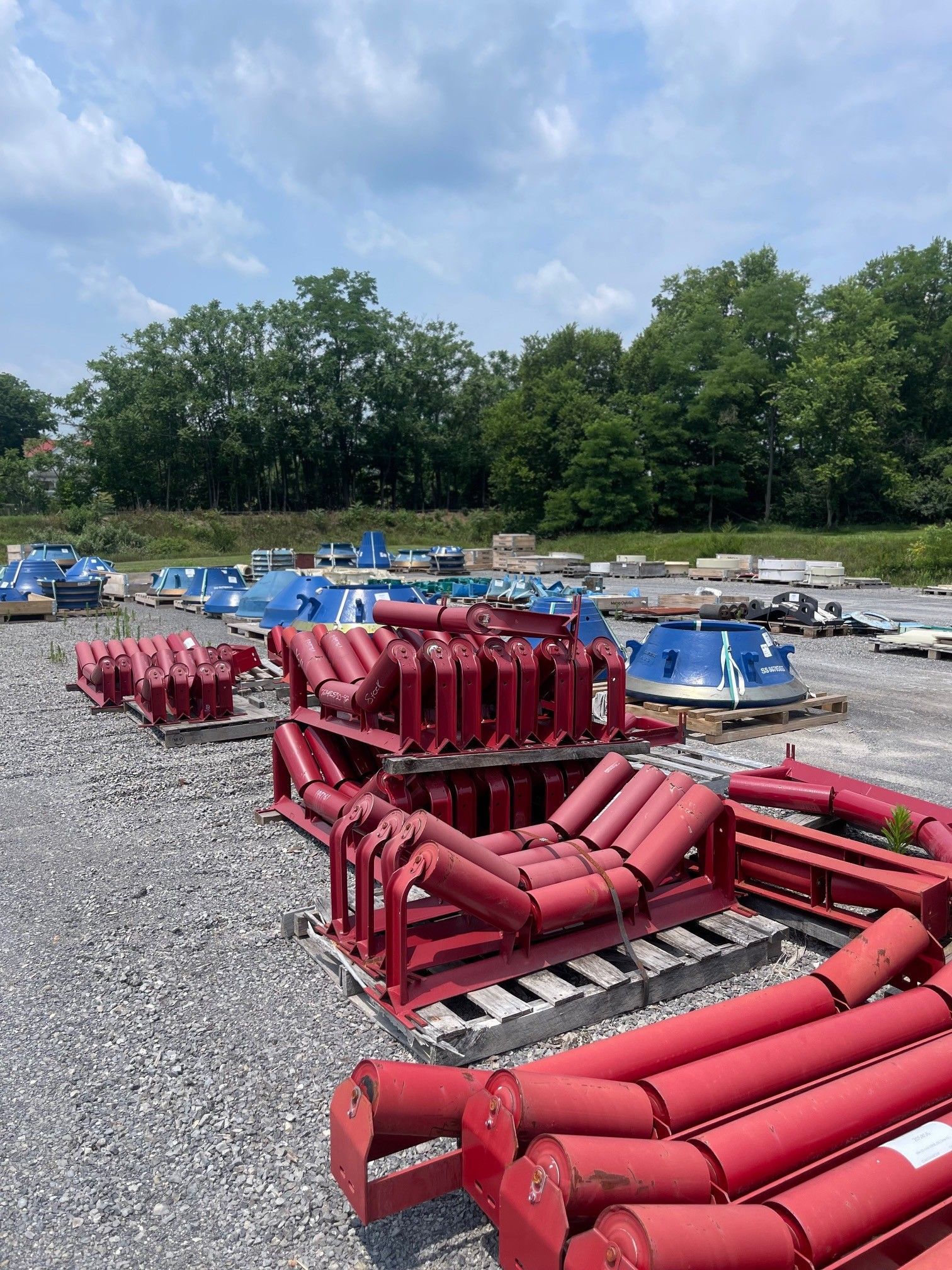
The Key to Consistent Performance
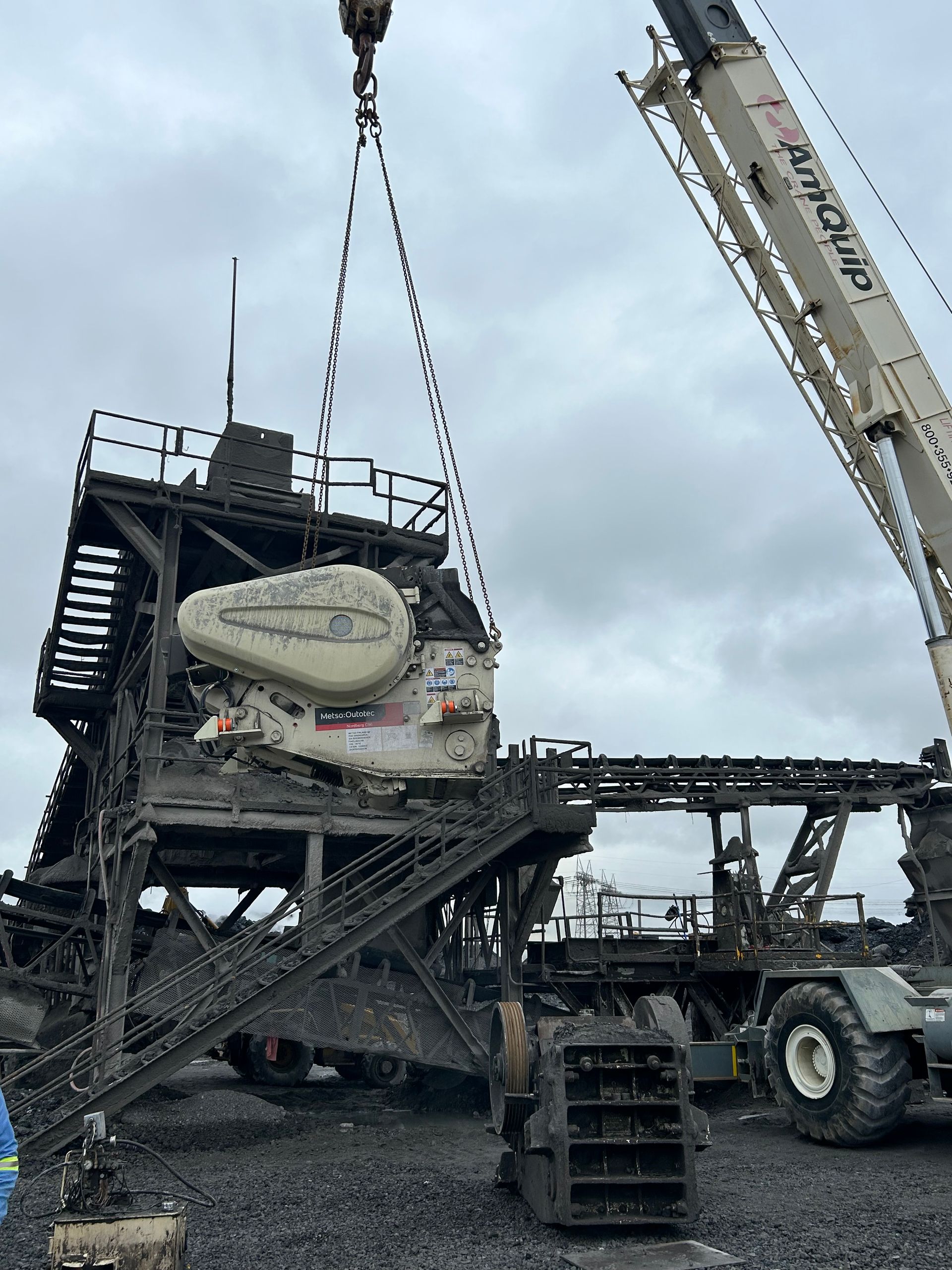
How Metso Crushing Equipment Delivers Lower Cost Per Ton

Teaming Up With Metso
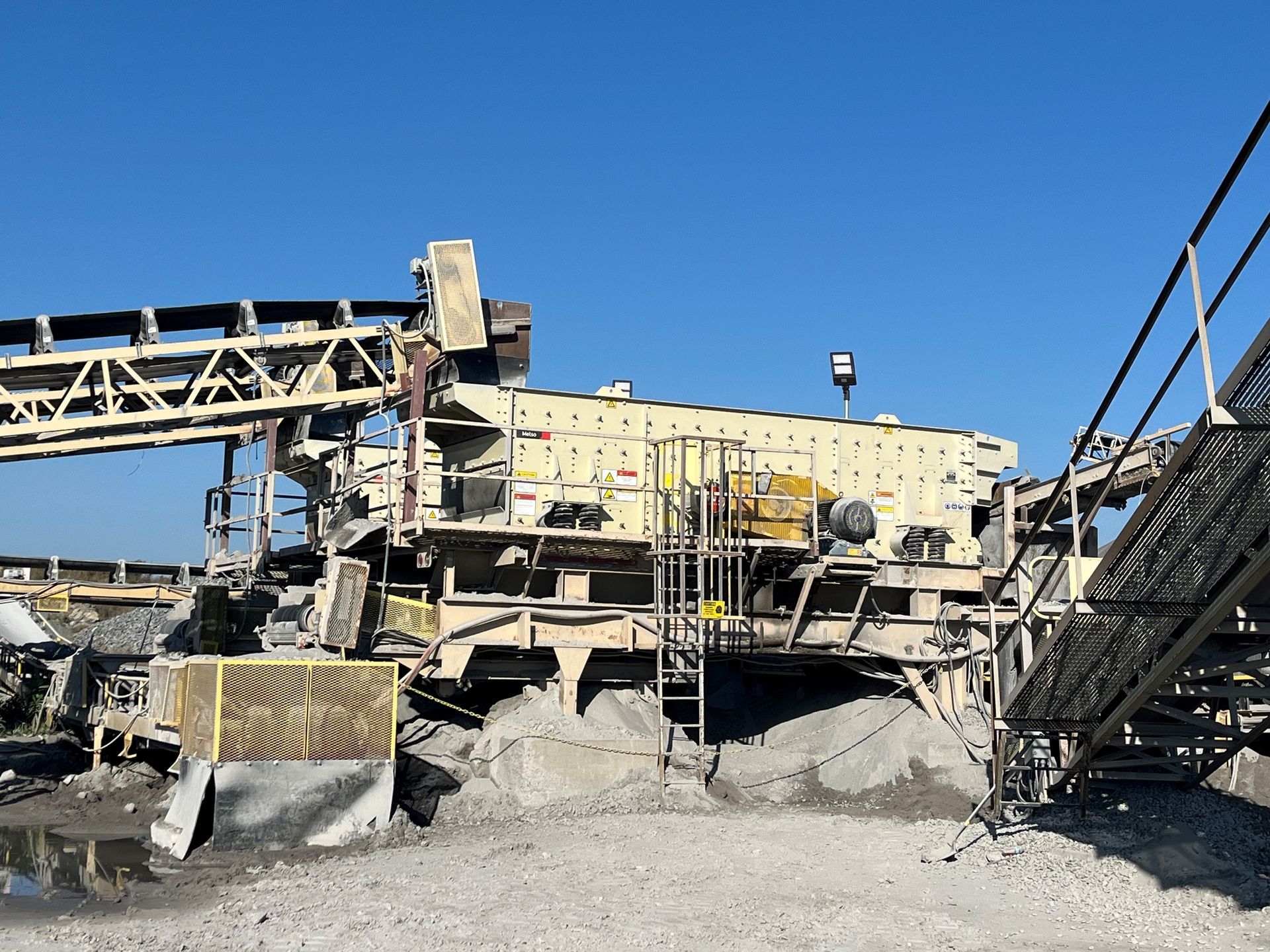
Maximize Performance with Proper Screening Solutions
Which Impact Crusher Is Right for Your Operation?
Why More Producers Are Choosing Metso Equipment
Share On: