Maximizing Sand Classification
7016535987 • January 2, 2025
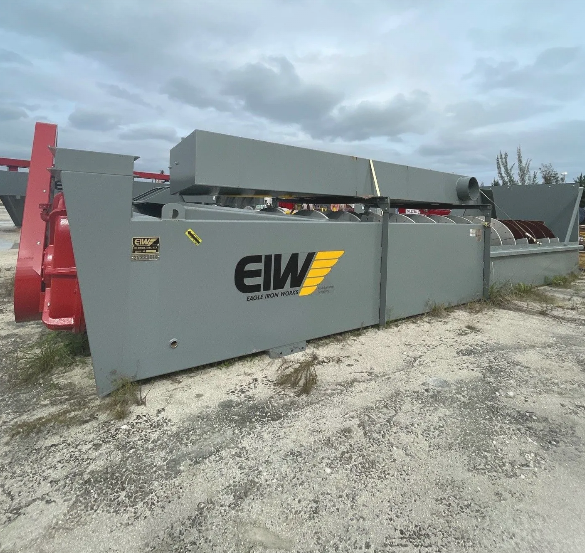
A Complete Guide to Eagle Iron Works Classifying Tanks
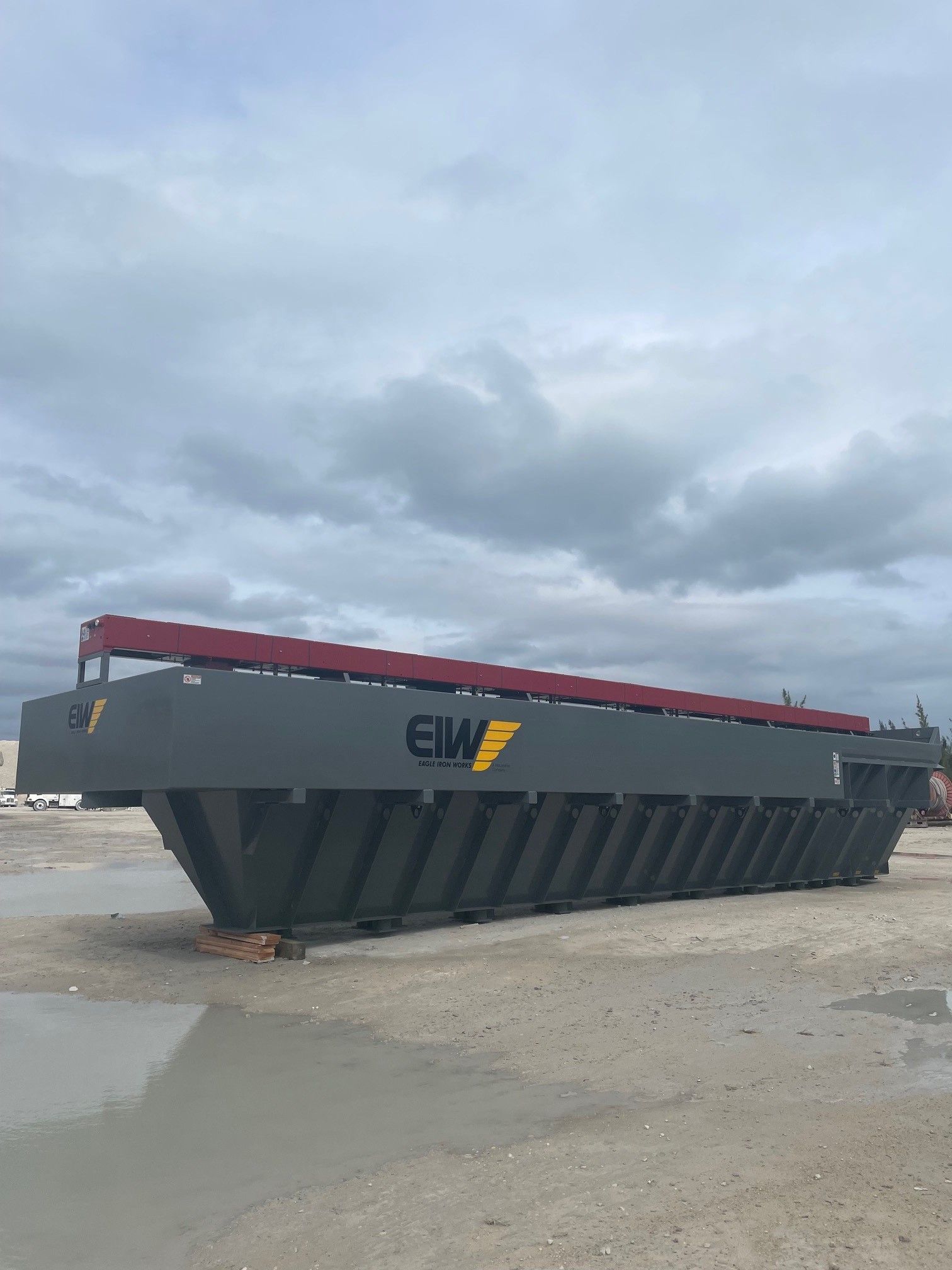
As a trusted Eagle Iron Works
distributor, KastRock has witnessed firsthand how proper sand classification
transforms construction materials. Our decades of experience supporting concrete and asphalt producers has shown that achieving precise material specifications isn't just about having the right equipment—it's about optimizing every aspect of the classification process.
Understanding Sand Classification Requirements
Construction-grade sand demands precise specifications, particularly regarding fine material content. Most concrete and asphalt applications strictly limit the amount of minus-100 and minus-200 mesh materials. While many natural sand deposits and crushed stone sands contain excess fines, including silts, dust, and clay, Eagle Iron Works Classifying Tanks
excel at removing these unwanted materials.
How Eagle Iron Works Classifying Tanks Operate
These advanced classification systems feature six to eleven valve stations, depending on the tank size. Each station incorporates sophisticated paddle sensing devices and hydraulically operated valves, controlled by a bridge-mounted system spanning the tank's length.
The classification process follows a natural progression: when sand slurry enters the tank, larger particles settle in the initial stations, while progressively finer materials settle in subsequent sections. The system's intelligent design uses paddle sensors to detect optimal discharge timing, automatically triggering valves through PLC control when material levels reach predetermined points.
Optimizing Your Classifying Tank Performance
1. Water Management Fundamentals
Proper water flow is crucial for effective classification. Eagle Iron Works recommend following these established guidelines:
• Calculate 100 U.S. GPM of water per STPH of silt feed
• Plan for 10 U.S. GPM of water per STPH of sand solids feed
Water integration occurs through three primary methods:
• Initial slurry feed
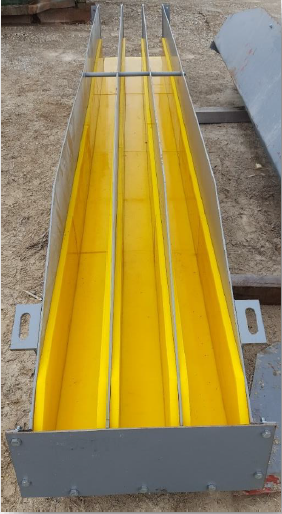
• Rising Current Classifier manifold
• Recirculation systems (when necessary)
2. Rising Current Classification Enhancement
The Rising Current Classifier (RCC) system represents a significant advancement in classification technology. When installed in the first three stations, RCCs dramatically improve separation efficiency by:
• Maintaining smaller particles in suspension
• Facilitating precise settling of larger particles
• Enabling superior product gradation control
For optimal performance, we recommend balancing water distribution between slurry feed and rising current, with approximately 25-33% of total water flow dedicated to rising current operation.
3. Weir Configuration for Peak Performance
Proper weir adjustment is essential for achieving optimal classification and silt removal. Eagle Iron Works recommends:
• Maintaining level adjustable weirs for balanced overflow
• Strategic weir height adjustment for enhanced minus-200 mesh control
• Regular inspection of weir settings for consistent performance
4. Paddle Sensor Optimization
Based on our extensive field experience, Eagle Iron Works found that paddle height configuration significantly impacts classification efficiency:
• Higher settings in the first three stations
• Gradually lower settings in subsequent stations
• Fine-tuned adjustments based on material characteristics
5. Preventive Maintenance Protocol
To ensure continuous, reliable operation, Eagle Iron Works recommends implementing a comprehensive maintenance
strategy:
• Regular system inspections
• Maintaining critical spare parts inventory
• Following manufacturer-specified maintenance schedules
• Immediate attention to any operational anomalies
Ensuring Long-Term Success
As your Eagle Iron Works distributor, KastRock is committed to helping you maximize the performance of your classification system. Our technical expertise and dedicated support ensure your Classifying Tank operates at peak efficiency, delivering precisely specified materials while minimizing operational disruptions.
Regular maintenance combined with optimal operational practices will extend equipment life and maintain consistent product quality. For specific guidance on your classification needs or to learn more about Eagle Iron Works solutions, contact us at (863) 937-8859.

When crusher repairs or scheduled maintenance are on the horizon, one of the most common questions aggregate producers ask is whether OEM parts are truly worth the investment. While lower-cost aftermarket options may seem appealing upfront, the long-term value of the right replacement part often goes far beyond the purchase price. At KastRock, we help customers make informed decisions that support uptime, production efficiency, and total cost control. If you are evaluating replacement components for your crushing equipment, this guide explains the real value of Metso OEM crusher parts and when they may be the smartest choice for your operation. What Are Metso OEM Crusher Parts? OEM stands for Original Equipment Manufacturer. Metso OEM crusher parts are designed and produced to meet the exact specifications of the original crusher model. These parts are engineered for compatibility with Metso crushing equipment and may include: • Jaw crusher wear parts • Cone crusher mantles and concaves • Impact crusher blow bars • Bearings and bushings • Hydraulic components • Seals and hardware • Mechanical assemblies • Electrical and control system components Because they are built to original standards, OEM parts are intended to deliver consistent fit, performance, and reliability. Why Crusher Part Quality Matters A crusher operates under extreme loads, vibration, and abrasive conditions. Even a small variation in part dimensions, metallurgy, or tolerances can affect machine performance. The wrong replacement part can lead to: • Reduced throughput • Poor product gradation • Premature wear • Increased power consumption • Installation issues • Unexpected downtime • Damage to surrounding components Choosing quality crusher parts is about protecting production, not just replacing worn items. Key Benefits of Metso OEM Crusher Parts Precision Fit and Compatibility One of the biggest advantages of OEM crusher parts is proper fitment. Components designed specifically for the original machine help reduce installation issues and support intended operating clearances. This can shorten maintenance windows and help your crusher return to service faster. Consistent Performance Metso OEM parts are engineered to perform with the crusher’s original design parameters. That means wear parts, mechanical components, and chamber profiles are developed to support efficient crushing performance. This often results in: • Better throughput • More consistent product size • Improved reduction ratios • Predictable wear life High-Quality Materials and Engineering Crusher components experience intense wear and stress. OEM parts are manufactured using materials and processes selected for those demanding environments. Depending on the application, that may include specialized alloys, heat treatment standards, and wear profile engineering that supports longer service life. Reduced Risk of Secondary Damage A lower-cost part that fails early can create much higher costs later. Misfit or underperforming parts can accelerate wear on shafts, frames, bearings, and other expensive components. Using properly engineered OEM parts may reduce the risk of avoidable collateral damage. Are Metso OEM Parts More Expensive Up Front? In many cases, yes. OEM crusher parts may carry a higher initial purchase price than some aftermarket alternatives. However, purchase price alone does not tell the full story. The true cost of a crusher part should include: • Expected wear life • Downtime during replacement • Lost production from failures • Labor costs • Damage to related components • Product quality impacts • Frequency of replacement A part that costs less but fails sooner may end up costing more overall. When Metso OEM Crusher Parts Are Definitely Worth the Cost Critical Components For high-value internal components such as bearings, shafts, bushings, hydraulic assemblies, or precision mechanical systems, OEM parts are often the preferred option because reliability matters most. High-Production Operations If your plant runs at high tonnage or has tight production schedules, downtime can be extremely costly. OEM parts can help support consistent uptime and predictable maintenance intervals. Specialized Crushing Applications Operations processing hard, abrasive, or difficult material often benefit from parts engineered specifically for that crusher and application. Warranty or Performance Requirements Some operations prefer OEM parts to align with warranty expectations, service planning, or fleet standardization. When Aftermarket Parts May Be Considered There are situations where quality aftermarket crusher parts can be an option, particularly for non-critical items or older machines. The key is ensuring the supplier has a proven reputation, strong quality standards, and dependable support. Not all aftermarket parts are equal. Extremely low-cost options can carry higher risk. How to Compare OEM vs Aftermarket Crusher Parts When evaluating replacement parts, ask these questions: • What is the expected wear life? • How accurate is the fit? • Is metallurgy suited to my material? • What downtime risk exists if the part fails? • Will this affect crusher performance? • Is supplier support available quickly? • What is the real cost per ton processed? This approach often leads to better decisions than comparing price alone. How KastRock Helps Customers Choose the Right Crusher Parts At KastRock, we understand that every crushing operation has different priorities. Some customers prioritize maximum uptime, while others focus on budget planning or lifecycle cost reduction. Our team works with producers to identify the right parts strategy based on: • Equipment model • Material type • Production demands • Maintenance schedule • Budget goals • Lead time requirements Whether OEM crusher parts or another qualified solution makes sense, we help customers make practical, informed decisions. Final Verdict: Are Metso OEM Crusher Parts Worth the Cost? The answer is yes! When uptime, reliability, performance, and equipment protection matter, Metso OEM crusher parts can deliver value that extends well beyond the purchase price. The lowest upfront cost is not always the lowest operating cost. Contact KastRock for Crusher Parts Support KastRock can evaluate your equipment, operating conditions, and maintenance goals to recommend the best path forward. Contact us today to discuss Metso OEM crusher parts, wear components, and solutions designed to keep your operation productive.
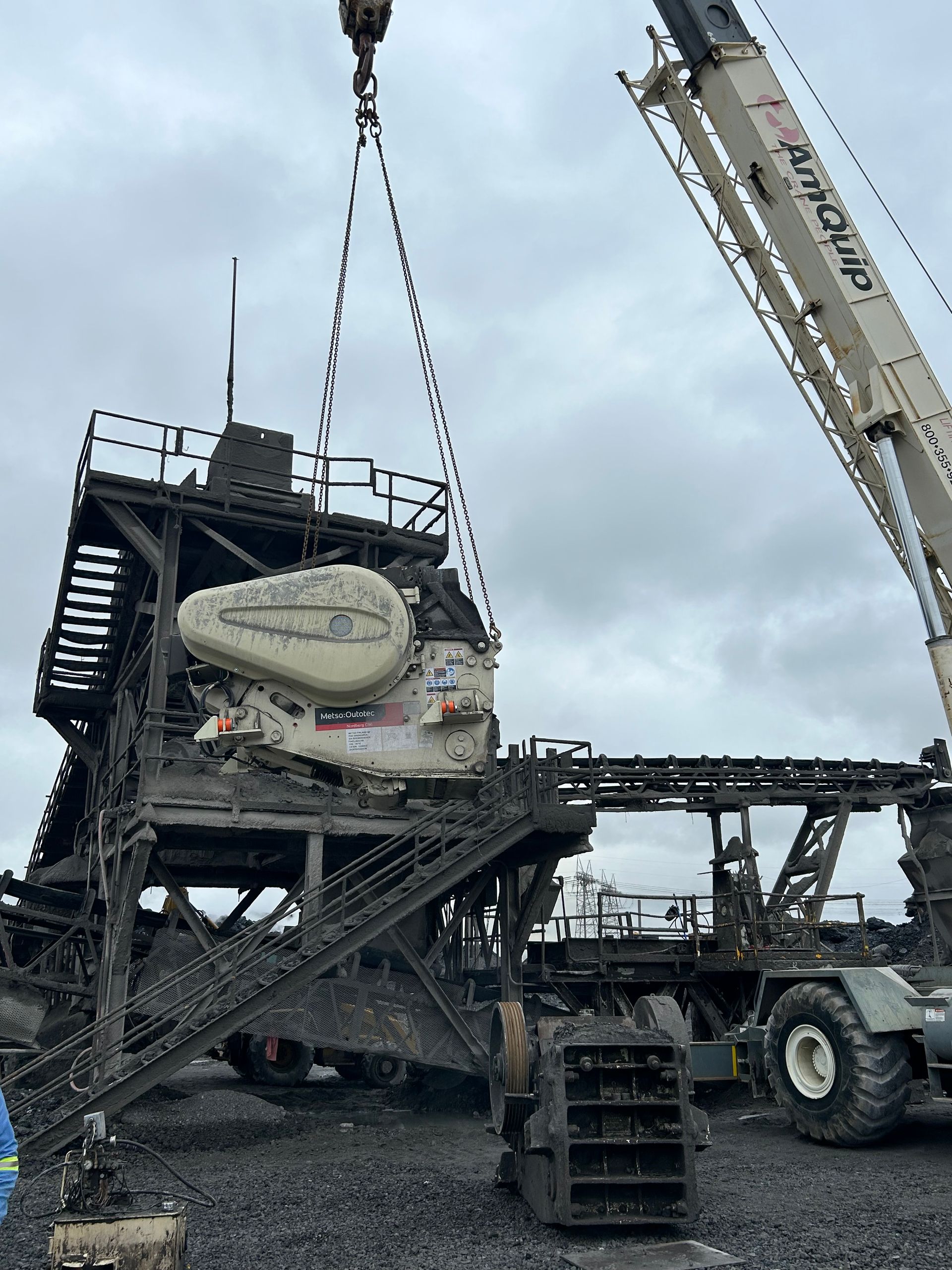
In every quarry, mine, or recycling yard, the first line of material reduction sets the stage for productivity and long-term profitability. At KastRock, we understand that choosing the right primary crushing solution can make or break your operation. That’s why we're highlighting one of the industry’s most trusted performers: the Metso Nordberg C Series jaw crushers, built for reliability, efficiency, and consistently high output. What Are Nordberg C Series Jaw Crushers? The Nordberg C Series jaw crushers from Metso represent a legendary line of primary crushers designed for maximum durability and uptime. With tens of thousands of installations worldwide, these crushers are proven across tough mining, aggregate, and recycling environments handling everything from hard rock to abrasive materials with confidence. Unmatched Reliability You Can Count On One of the standout features of C Series jaw crushers is their pinned and bolted, non-welded frame construction. This robust design eliminates weak points and dramatically improves fatigue resistance compared to traditional welded frames. This durable foundation delivers: • Exceptional strength in high-stress environments • Longer service life under continuous operation • Fewer unexpected failures and maintenance surprises High Production and Superior Material Flow Productivity starts with efficient crushing mechanics, and the Nordberg C Series delivers: • Large feed openings that accept oversized material with ease • A steep cavity cross-section that grabs and crushes material quickly • A long, amplified piston stroke that maximizes throughput and reduction ratio This intelligent combination lets operators move more material, faster, providing higher capacity with lower operating costs. Designed for Easy Installation and Serviceability Downtime reduces production and KastRock knows that every minute counts. That’s why the C Series crushers are engineered for modular installation and maintenance efficiency. Key operational benefits include: • Fast, straightforward installation — minimizing setup time • Accessible service points — making maintenance quicker and safer • Optional automation and remote monitoring — enabling modern control and performance tracking Whether you’re retrofitting an existing plant or building a new crushing circuit, the C Series™ reduces headaches and gets your site up and running sooner. Customization for Any Application Need No two crushing operations are the same, and Metso understands the value of flexibility. The Nordberg C Series can be tailored with options such as: • Integrated motor bases for clean, compact drive systems • Safety guards to protect personnel • Optional feed chutes for smooth, steady material flow • Automation systems for intelligent crusher monitoring This adaptability ensures that your crusher fits your workflow, not the other way around. Which C Series Jaw Crusher Fits Your Operation? The C Series lineup includes several models designed to match a wide range of crushing missions: • C80 and C100 — Compact yet powerful units ideal for small-scale quarries or mobile plants. • C106 and C117 — Versatile mid-range crushers that balance capacity and footprint. • C150, C160, and C200 — Heavy equipment built for primary crushing in high-volume quarrying and mining. No matter your material type or production goals, there’s a C Series crusher engineered for the job. Why C Series™ Jaw Crushers Deliver Long-Term Value Choosing a primary crusher is an investment and it should pay dividends year after year. C Series crushers are known for: • Lower cost per ton of material produced • Long operating life with minimal surprises • Proven performance in thousands of installations They’ve become a cornerstone of primary crushing setups worldwide, trusted by operators who demand both power and reliability. The KastRock Advantage At KastRock, we don’t just sell equipment, we support your operation with industry expertise, parts, service, and performance guidance to keep your crushers running at peak efficiency. Whether you’re upgrading an aging jaw crusher or planning a new crushing circuit, we can help you make the right choice for your goals. Contact us today!


Share On: