Metso Barmac VSI vs. Metso Nordberg NP Series HSI
Which Impact Crusher Is Right for Your Operation?
Selecting the right crushing equipment is one of the most important decisions aggregate producers can make. The type of crusher used in a processing circuit directly affects production efficiency, product quality, operating costs, and overall profitability.
While many producers are familiar with the differences between cone crushers and impact crushers, choosing between different types of impact crushers can be equally important. Two of the most widely used impact crushing technologies are Vertical Shaft Impactors (VSI) and Horizontal Shaft Impactors (HSI).
Metso's Barmac VSI crushers and Nordberg NP Series HSI crushers are both proven solutions for aggregate production, but they are designed to solve different challenges within a crushing circuit.
Understanding how each machine works, and where it excels, can help producers maximize performance while meeting their product specifications.
Understanding Horizontal Shaft Impactors (HSI)
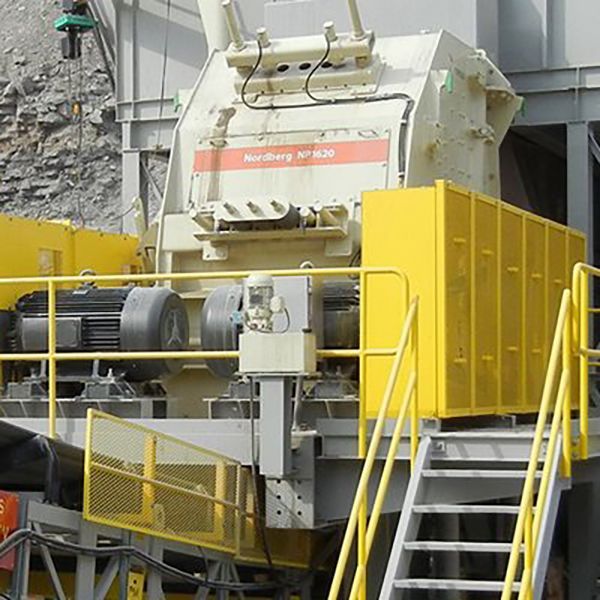
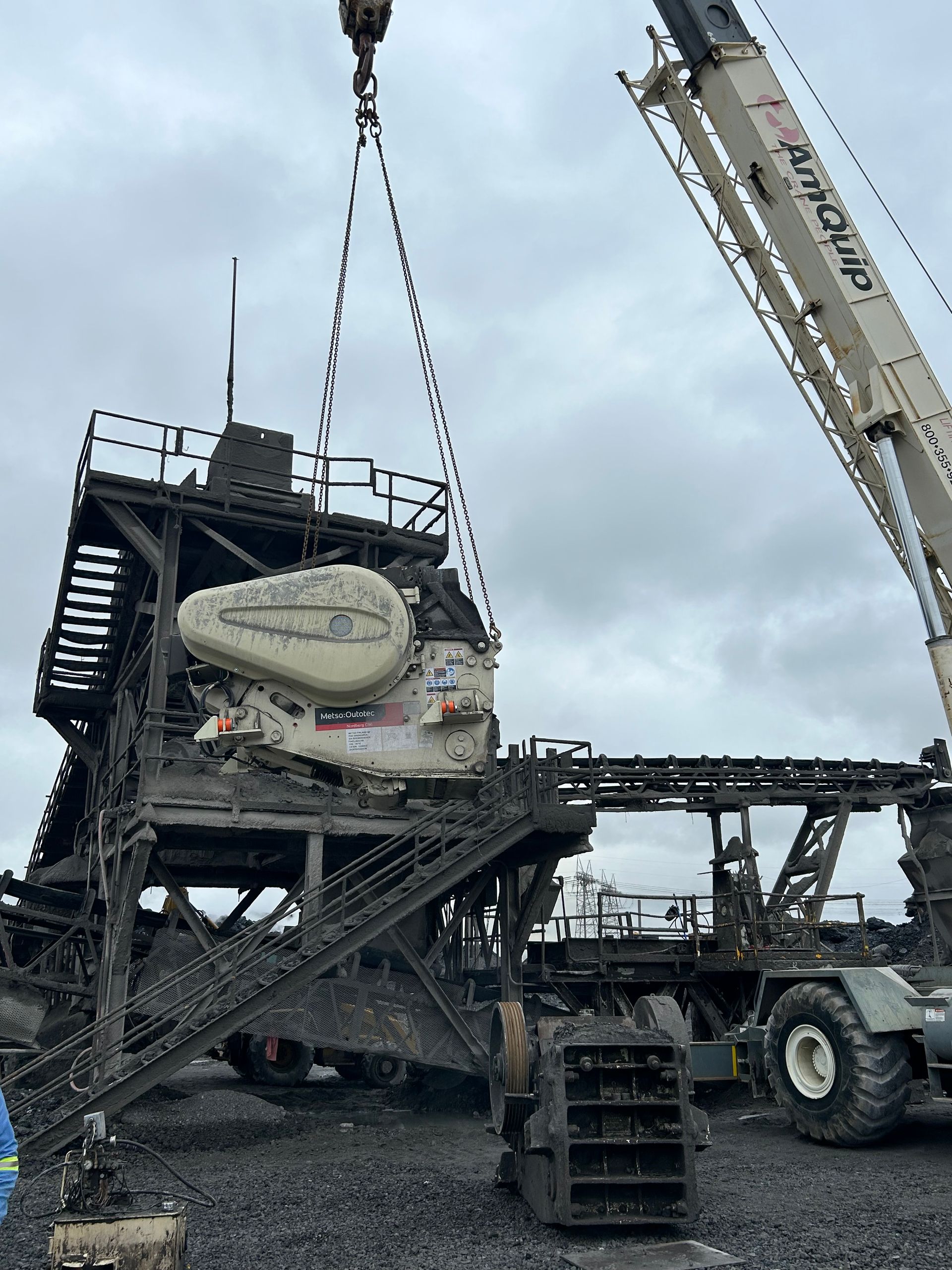
A Horizontal Shaft Impactor uses a high-speed rotor equipped with blow bars to strike incoming material. As the material enters the crushing chamber, it is accelerated into impact plates, also known as breaker plates or curtains, where it fractures into smaller pieces.
Metso's Nordberg NP Series impact crushers are designed to provide high reduction ratios, excellent throughput, and consistent product sizing in a variety of aggregate and recycling applications.
Because the crushing force comes from direct impact against the breaker plates, HSI crushers can efficiently reduce larger feed material in fewer crushing stages.
Common Applications for Metso NP Series HSI Crushers
NP Series impact crushers are frequently used for:
- Limestone processing
- Aggregate production
- Recycled concrete crushing
- Asphalt recycling
- Quarry operations
- Secondary and tertiary crushing applications
Their ability to produce high reduction ratios makes them particularly valuable when significant size reduction is required.
Understanding Vertical Shaft Impactors (VSI)
Unlike an HSI, a Vertical Shaft Impactor uses a completely different crushing principle.
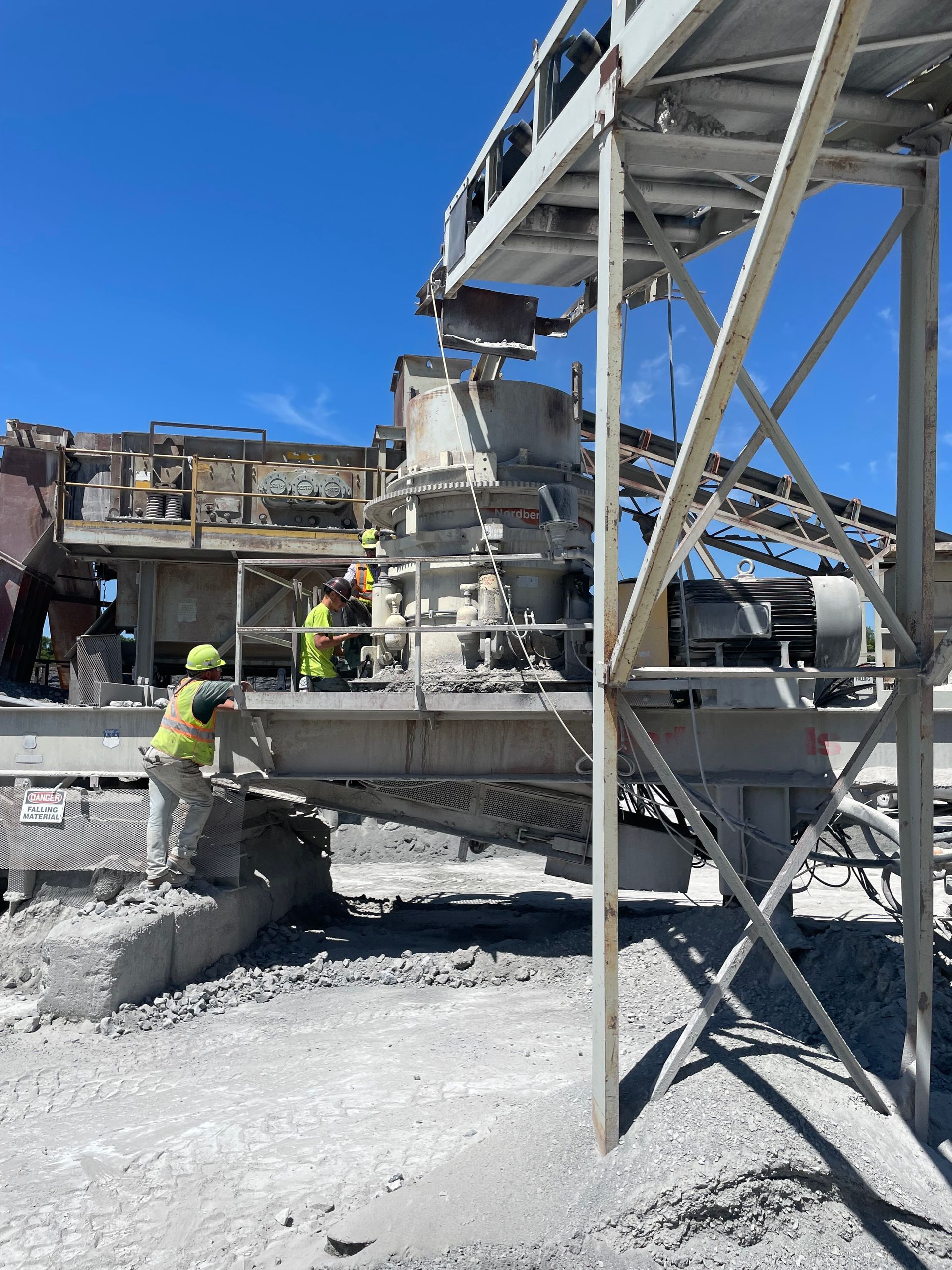
In a Metso Barmac VSI crusher, material is accelerated by a high-speed rotor and discharged into a crushing chamber where particles collide with either other particles or specialized wear surfaces. This process is often referred to as "rock-on-rock" crushing.
Rather than focusing on large-scale reduction, VSI technology is designed to refine particle shape and produce highly cubical aggregate products.
For decades, Barmac VSI crushers have been recognized as industry leaders in shaping applications and manufactured sand production.
Common Applications for Metso Barmac VSI Crushers
Barmac VSI crushers are commonly used for:
- Manufactured sand production
- Aggregate shaping
- Asphalt aggregate production
- Concrete aggregate production
- Final-stage crushing
- Cubical product enhancement
When product shape is a top priority, a VSI often becomes the preferred solution.
HSI vs. VSI: Key Differences
Although both machines utilize impact crushing technology, their roles within a plant are often very different.
Crushing Method
The most significant difference lies in how the material is broken.
An HSI crusher fractures material by throwing it against breaker plates inside the crushing chamber. The impact force creates rapid size reduction and high production rates.
A VSI crusher accelerates material and relies heavily on particle-to-particle collisions to achieve crushing and shaping. This approach creates a more refined final product.
Product Shape
When it comes to particle shape, VSI crushers typically have the advantage.
The rock-on-rock crushing action inside a Barmac VSI creates highly cubical aggregates with fewer elongated particles. This characteristic is particularly valuable for asphalt, concrete, and manufactured sand applications where shape directly affects product performance.
HSI crushers also produce quality aggregate, but their primary strength lies in material reduction rather than final shaping.
Reduction Ratio
HSI crushers generally provide greater size reduction in a single pass.
Because NP Series impact crushers are designed to accept larger feed sizes and aggressively reduce material, they are often selected when operators need substantial reduction without multiple crushing stages.
VSI crushers are typically installed later in the circuit, where the feed has already been reduced to a manageable size.
Manufactured Sand Production
As demand for high-quality manufactured sand continues to grow, VSI crushers have become increasingly important.
The Barmac VSI is widely regarded as one of the most effective tools for producing manufactured sand due to its ability to generate consistent, cubical particles with excellent gradation characteristics.
For operations focused on sand production, a VSI often becomes a critical component of the processing circuit.
Wear Considerations
Wear costs depend heavily on feed material characteristics, production requirements, and operating conditions.
HSI crushers may experience wear on blow bars and impact curtains, particularly when processing abrasive materials.
VSI crushers can also experience wear, especially in high-abrasion applications, but the rock-on-rock crushing principle can help reduce wear on certain internal components when properly configured.
Evaluating wear costs requires a complete understanding of the material being processed and the desired end product.
When to Choose a Metso NP Series HSI Crusher
An HSI crusher may be the best fit for your operation if you:
- Need high reduction ratios
- Process limestone or softer aggregate materials
- Operate a recycling facility
- Require high throughput rates
- Need efficient secondary crushing
NP Series crushers are often selected when producers need to maximize production while achieving significant material reduction.
When to Choose a Metso Barmac VSI Crusher
A VSI crusher may be the better choice if your operation:
- Produces manufactured sand
- Prioritizes cubical product shape
- Supplies concrete or asphalt producers
- Requires final-stage aggregate shaping
- Needs improved particle consistency
For operations where product quality and shape are critical, the Barmac VSI frequently delivers substantial value.
Can HSI and VSI Crushers Work Together?
Absolutely.
Many of today's most efficient crushing circuits utilize both technologies.
A common configuration may include:
- Primary jaw crusher
- Secondary cone crusher or HSI crusher
- Barmac VSI for final shaping
In these applications, the HSI performs the heavy reduction work while the VSI enhances particle shape and final product quality.
Rather than competing technologies, they often serve complementary roles within a complete aggregate processing system.
Selecting the Right Impact Crusher for Your Operation
The decision between a Metso Barmac VSI and a Metso NP Series HSI should ultimately be based on your production goals, feed material characteristics, and finished product requirements.
If your primary objective is aggressive size reduction and high throughput, an NP Series HSI may be the ideal solution.
If you're focused on manufactured sand production, premium aggregate shape, or final-stage refinement, a Barmac VSI is often the preferred choice.
Understanding how each machine fits into your overall processing circuit is key to maximizing efficiency and profitability.
Partner with KastRock for Crushing Expertise
Every aggregate operation faces unique production challenges. At KastRock, we work closely with producers to evaluate crushing circuits, identify opportunities for improvement, and recommend equipment solutions tailored to their specific goals.
Whether you're considering a Metso Barmac VSI crusher, a Metso NP Series impact crusher, or a complete plant optimization project, our team can help you determine the best approach for maximizing performance.

Share On: