Why Aggregate Screens Are Critical to Crushing and Screening Operations

7016535987 • June 16, 2026

Maximize Performance with Proper Screening Solutions
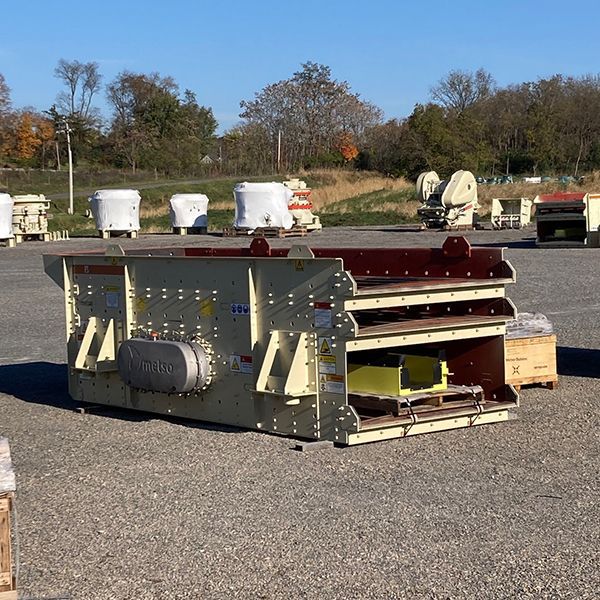
When discussing aggregate production, crushers often receive most of the attention. However, even the most efficient crusher cannot deliver optimal results without an effective screening system. Screens play a vital role in determining product quality, plant efficiency, and overall profitability.


At KastRock, we work with producers throughout the aggregate industry to help maximize production performance. One of the most important and sometimes overlooked pieces of equipment in any operation is the screening plant. Proper screening not only improves product quality but also helps reduce operating costs, increase throughput, and optimize the performance of downstream equipment.


What Does a Screening Plant Do?

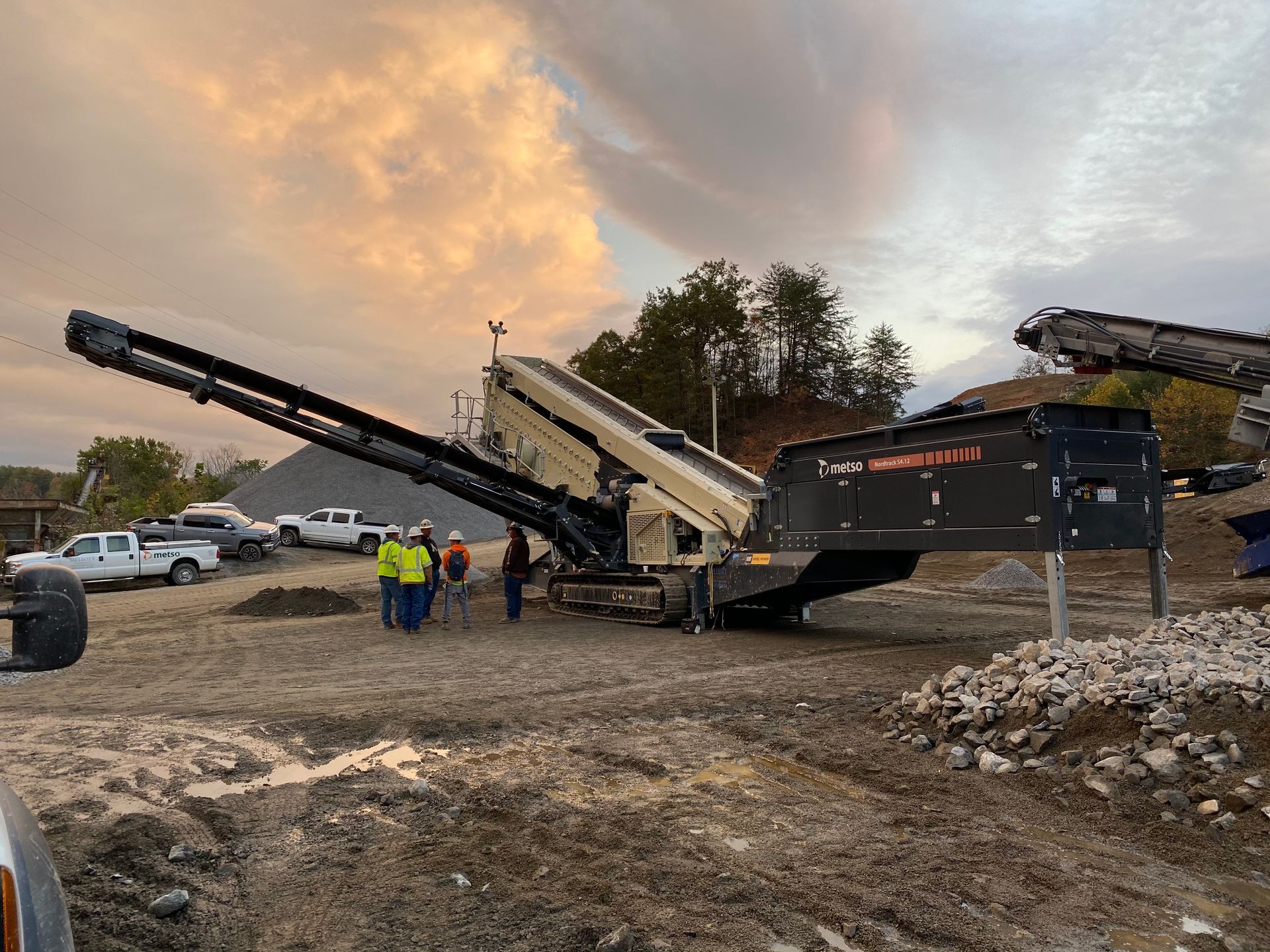
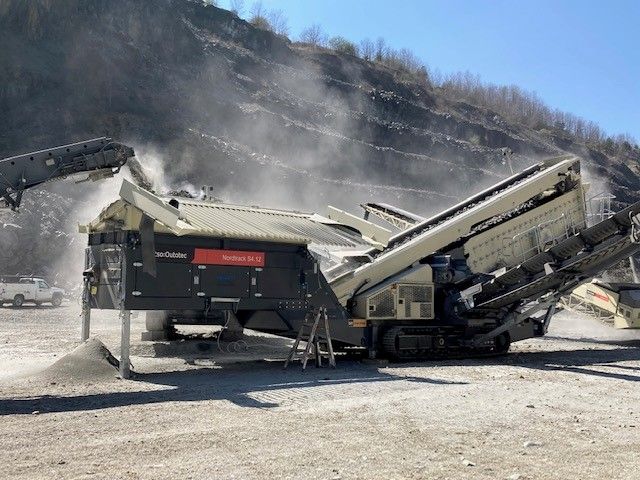
A screening plant separates material into specific size fractions using vibrating screen decks and specialized screening media. By sorting material according to size, screens ensure that each product meets specification requirements while directing oversize material back into the crushing circuit when necessary.


Whether you're producing road base, concrete aggregates, asphalt materials, manufactured sand, or specialty products, screening is essential for maintaining consistent gradation and quality.


Without efficient screening, operations can experience:

  • Reduced product quality
  • Lower crushing efficiency
  • Increased recirculating loads
  • Excessive wear on equipment
  • Lost production opportunities


Simply put, effective screening is often the key to maximizing the performance of an entire plant.


Why Screening Efficiency Matters

Every ton of material that passes through a crushing circuit represents an opportunity for profit. When screens are not performing efficiently, producers may unknowingly process material multiple times, increasing energy consumption and wear costs.


High-performing screens help operations:


Improve Product Consistency

Customers depend on aggregates that meet strict size specifications. Proper screening ensures that final products remain within target gradations, helping producers maintain quality standards and customer satisfaction.


Increase Plant Throughput

Efficient screening removes finished material from the circuit quickly, allowing crushers to focus on reducing oversized material rather than reprocessing already-sized products.


Reduce Equipment Wear

When screens accurately separate material, crushers, conveyors, and other downstream components experience less unnecessary wear, helping extend equipment life and reduce maintenance costs.


Maximize Production Efficiency

Optimized screening performance improves material flow throughout the plant, helping operators achieve production goals while minimizing bottlenecks.


Choosing the Right Screen for Your Operation

Not all screening applications are the same. Material characteristics, production targets, moisture content, feed size, and site conditions all influence the type of screen that will deliver the best results.


Metso offers several screening solutions designed to meet the needs of aggregate producers, contractors, and mining operations.


Metso CVB Series Screens

The Metso CVB Series horizontal screens are designed for demanding aggregate and mining applications where high capacity and reliable performance are essential.


Key benefits include:

  • High screening efficiency
  • Excellent performance with difficult-to-screen materials
  • Robust construction for long service life
  • Multiple deck configurations for various applications


CVB screens are commonly used in both stationary and portable crushing and screening plants where productivity and durability are top priorities.


Metso ES Series Screens

The Metso ES Series utilizes an elliptical motion design that combines the advantages of both linear and circular motion screening.


These screens are particularly effective for:

  • High-capacity applications
  • Wet and sticky materials
  • Heavy-duty aggregate processing
  • Applications requiring excellent stratification


The elliptical motion helps improve material movement across the deck while maintaining high screening efficiency.


Metso TS Series Screens

The Metso TS Series screens are engineered to deliver reliable screening performance while simplifying maintenance requirements.


Features include:

  • Modular design options
  • Efficient vibration characteristics
  • Simplified service access
  • Flexible configurations for multiple applications


TS screens are well suited for producers seeking dependable performance and long-term operating reliability.


Metso FS Series Screens

The Metso FS Series horizontal screens are designed specifically for applications that require high-quality fine material separation.


Advantages include:

  • Excellent precision screening
  • High efficiency on fine products
  • Compact footprint
  • Reduced maintenance requirements


These screens are commonly utilized when precise sizing and consistent product quality are critical.


Factors That Impact Screen Performance

Even the best screen requires proper operation and maintenance to achieve optimal results.


Several factors influence screening efficiency, including:


Screen Media Selection

The type of screening media can significantly affect capacity, wear life, and product quality. Choosing the correct media for your application helps maximize performance and minimize downtime.

Feed Consistency


Variations in feed rate or material distribution can negatively impact screen efficiency. Proper feed presentation helps ensure even material distribution across the deck surface.


Screen Angle and Stroke

Vibration characteristics, stroke length, and screen angle all play important roles in determining material movement and separation efficiency.


Routine Maintenance

Regular inspections help identify worn components, damaged media, or vibration issues before they affect production.


The Relationship Between Crushing and Screening

Crushing and screening should never be viewed as separate processes. The most productive operations treat them as an integrated system.


An efficient screen can improve crusher performance by removing finished material before it enters the crushing chamber. This reduces unnecessary crushing, lowers energy consumption, and increases overall plant throughput.


Likewise, a properly sized crusher helps ensure the screen receives material within its intended operating range.


When both systems work together, producers can achieve:

  • Higher production rates
  • Better product quality
  • Reduced operating costs
  • Improved equipment utilization
  • Increased profitability

Partner with KastRock for Screening Solutions

Selecting the right screening equipment is one of the most important decisions an aggregate producer can make. Whether you're designing a new plant, upgrading an existing operation, or looking to improve screening efficiency, KastRock can help.


Contact us today! 

By 7016535987 September 8, 2026
Making the Right Choice
By 7016535987 August 24, 2026
Choosing the Right Wear Protection Matters
By 7016535987 August 10, 2026
Every Minute Counts!
By 7016535987 July 27, 2026
The Key to Consistent Performance
By 7016535987 July 13, 2026
How Metso Crushing Equipment Delivers Lower Cost Per Ton
By 7016535987 July 1, 2026
Teaming Up With Metso
By 7016535987 June 2, 2026
Which Impact Crusher Is Right for Your Operation?
By 7016535987 May 19, 2026
Why More Producers Are Choosing Metso Equipment
By 7016535987 May 8, 2026
Which Mobile Screening Solution Is Right for Your Operation?
By 7016535987 April 13, 2026
When crusher repairs or scheduled maintenance are on the horizon, one of the most common questions aggregate producers ask is whether OEM parts are truly worth the investment. While lower-cost aftermarket options may seem appealing upfront, the long-term value of the right replacement part often goes far beyond the purchase price. At KastRock, we help customers make informed decisions that support uptime, production efficiency, and total cost control. If you are evaluating replacement components for your crushing equipment, this guide explains the real value of Metso OEM crusher parts and when they may be the smartest choice for your operation. What Are Metso OEM Crusher Parts? OEM stands for Original Equipment Manufacturer. Metso OEM crusher parts are designed and produced to meet the exact specifications of the original crusher model. These parts are engineered for compatibility with Metso crushing equipment and may include: • Jaw crusher wear parts • Cone crusher mantles and concaves • Impact crusher blow bars • Bearings and bushings • Hydraulic components • Seals and hardware • Mechanical assemblies • Electrical and control system components Because they are built to original standards, OEM parts are intended to deliver consistent fit, performance, and reliability. Why Crusher Part Quality Matters A crusher operates under extreme loads, vibration, and abrasive conditions. Even a small variation in part dimensions, metallurgy, or tolerances can affect machine performance. The wrong replacement part can lead to: • Reduced throughput • Poor product gradation • Premature wear • Increased power consumption • Installation issues • Unexpected downtime • Damage to surrounding components Choosing quality crusher parts is about protecting production, not just replacing worn items. Key Benefits of Metso OEM Crusher Parts Precision Fit and Compatibility One of the biggest advantages of OEM crusher parts is proper fitment. Components designed specifically for the original machine help reduce installation issues and support intended operating clearances. This can shorten maintenance windows and help your crusher return to service faster. Consistent Performance Metso OEM parts are engineered to perform with the crusher’s original design parameters. That means wear parts, mechanical components, and chamber profiles are developed to support efficient crushing performance. This often results in: • Better throughput • More consistent product size • Improved reduction ratios • Predictable wear life High-Quality Materials and Engineering Crusher components experience intense wear and stress. OEM parts are manufactured using materials and processes selected for those demanding environments. Depending on the application, that may include specialized alloys, heat treatment standards, and wear profile engineering that supports longer service life. Reduced Risk of Secondary Damage A lower-cost part that fails early can create much higher costs later. Misfit or underperforming parts can accelerate wear on shafts, frames, bearings, and other expensive components. Using properly engineered OEM parts may reduce the risk of avoidable collateral damage. Are Metso OEM Parts More Expensive Up Front? In many cases, yes. OEM crusher parts may carry a higher initial purchase price than some aftermarket alternatives. However, purchase price alone does not tell the full story. The true cost of a crusher part should include: • Expected wear life • Downtime during replacement • Lost production from failures • Labor costs • Damage to related components • Product quality impacts • Frequency of replacement A part that costs less but fails sooner may end up costing more overall. When Metso OEM Crusher Parts Are Definitely Worth the Cost Critical Components For high-value internal components such as bearings, shafts, bushings, hydraulic assemblies, or precision mechanical systems, OEM parts are often the preferred option because reliability matters most. High-Production Operations If your plant runs at high tonnage or has tight production schedules, downtime can be extremely costly. OEM parts can help support consistent uptime and predictable maintenance intervals. Specialized Crushing Applications Operations processing hard, abrasive, or difficult material often benefit from parts engineered specifically for that crusher and application. Warranty or Performance Requirements Some operations prefer OEM parts to align with warranty expectations, service planning, or fleet standardization. When Aftermarket Parts May Be Considered There are situations where quality aftermarket crusher parts can be an option, particularly for non-critical items or older machines. The key is ensuring the supplier has a proven reputation, strong quality standards, and dependable support. Not all aftermarket parts are equal. Extremely low-cost options can carry higher risk. How to Compare OEM vs Aftermarket Crusher Parts When evaluating replacement parts, ask these questions: • What is the expected wear life? • How accurate is the fit? • Is metallurgy suited to my material? • What downtime risk exists if the part fails? • Will this affect crusher performance? • Is supplier support available quickly? • What is the real cost per ton processed? This approach often leads to better decisions than comparing price alone. How KastRock Helps Customers Choose the Right Crusher Parts At KastRock, we understand that every crushing operation has different priorities. Some customers prioritize maximum uptime, while others focus on budget planning or lifecycle cost reduction. Our team works with producers to identify the right parts strategy based on: • Equipment model • Material type • Production demands • Maintenance schedule • Budget goals • Lead time requirements Whether OEM crusher parts or another qualified solution makes sense, we help customers make practical, informed decisions. Final Verdict: Are Metso OEM Crusher Parts Worth the Cost? The answer is yes! When uptime, reliability, performance, and equipment protection matter, Metso OEM crusher parts can deliver value that extends well beyond the purchase price. The lowest upfront cost is not always the lowest operating cost. Contact KastRock for Crusher Parts Support KastRock can evaluate your equipment, operating conditions, and maintenance goals to recommend the best path forward. Contact us today to discuss Metso OEM crusher parts, wear components, and solutions designed to keep your operation productive.