How to Reduce Premature Wear on Rock Crushers

7016535987 • November 20, 2025

KastRock's Perspective
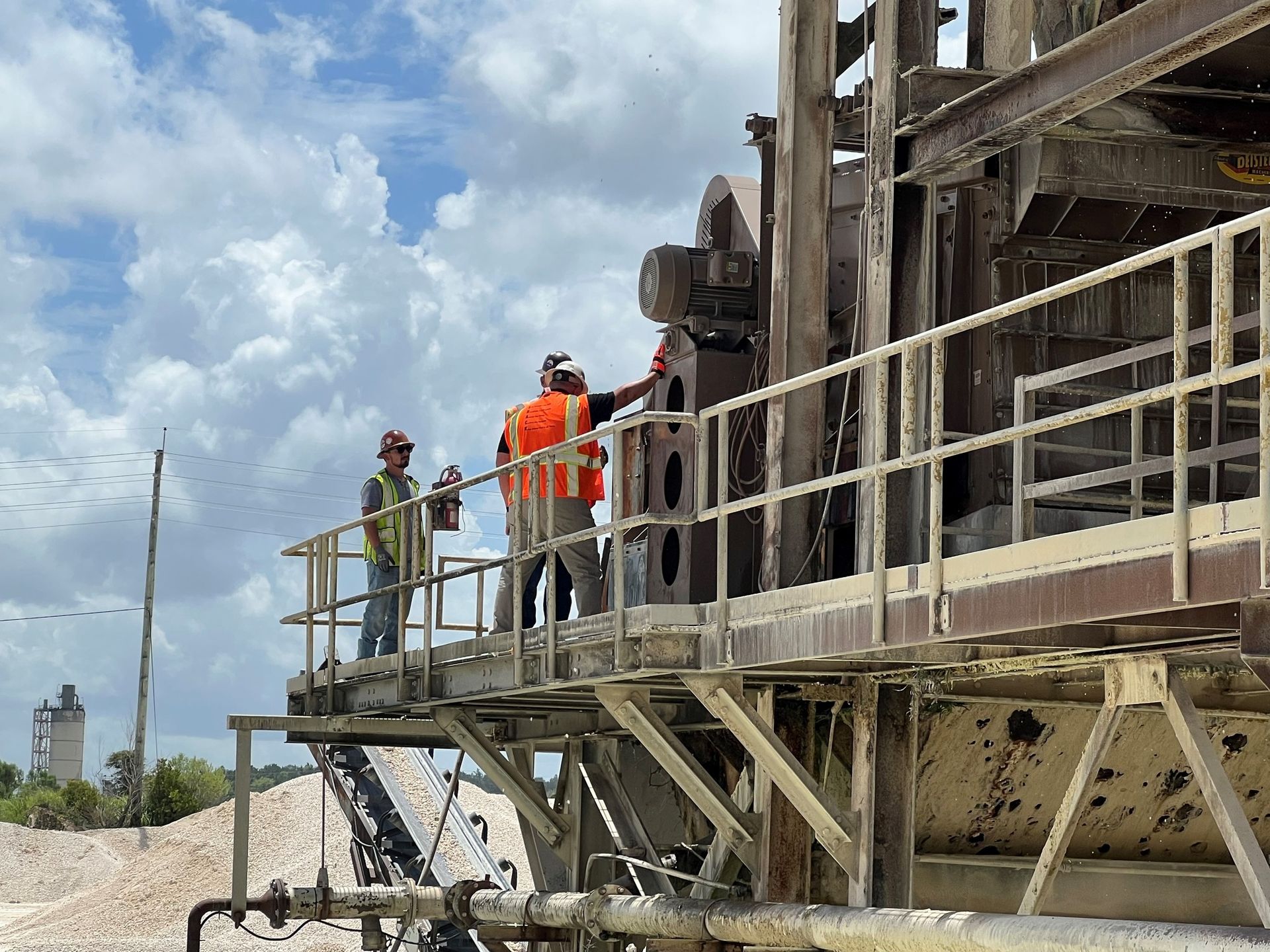
Rock crushers are the backbone of every aggregate operation, turning raw stone into the materials needed for construction, roadwork, and infrastructure projects across the Southeast. But even the most dependable machines face extreme stress as abrasive stone, heavy loads, and continuous operation all contribute to wear over time.

At KastRock, we help producers get the most from their crushing equipment through proper maintenance practices, quality wear parts, and smart operating strategies. Understanding why crusher components wear prematurely, and how to prevent it, can save your operation time, money, and unnecessary downtime.

Understanding the Types of Rock Crushers
Different crushing stages require different types of machines, each designed to break down material in a specific way. Knowing how each crusher functions helps operators maintain them correctly and choose the right wear components for the job.

Primary Jaw Crushers
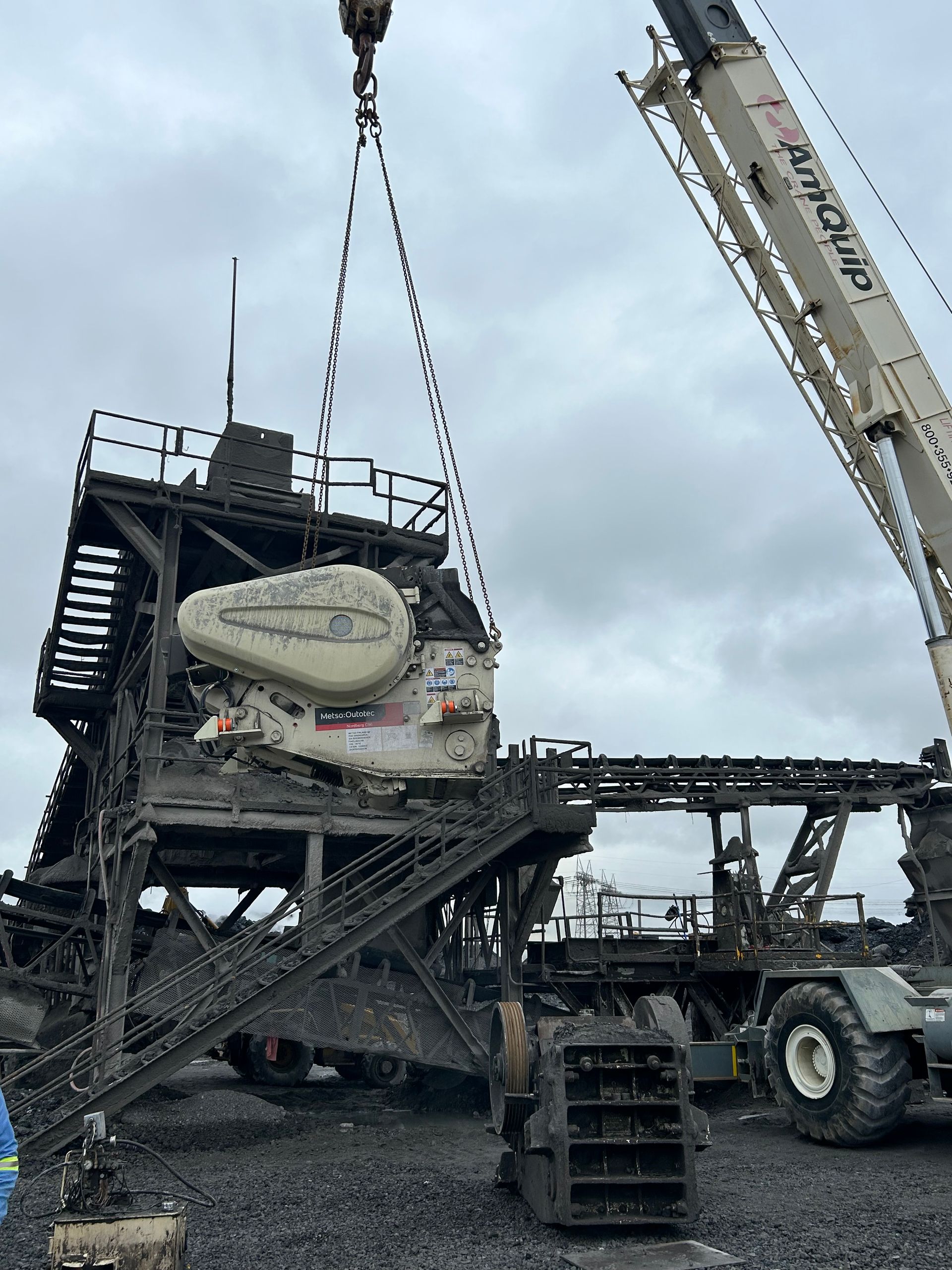
Primary jaw crushers handle the first stage of material reduction. These machines process large, coarse stone using powerful, opposing jaw plates. One plate is stationary and the other moves in a compressive, oscillating motion.
Jaw crushers are ideal for mine sites and quarry applications where massive feed sizes must be reduced to manageable dimensions before entering secondary processing.

Secondary Impact Crushers
Secondary impactors take material from the primary stage and further reduce it using high-speed rotating hammers. These machines excel at producing:
• More cubical, uniform product
• Cleaner aggregate shapes
• Faster reduction of softer stones such as limestone or sandstone
Impact crushers are a top choice for asphalt production, gravel manufacturing, and applications where shape and consistency matter.

Tertiary Cone Crushers
Cone crushers provide the final stage of material refinement. Inside the chamber, a spinning cone and hardened steel liners compress the material at high pressure, producing:
• Precise sizing
• Excellent shape
• Minimal flat or elongated pieces
These machines are essential for high-quality aggregates and applications requiring tight gradation control.

Why Rock Crusher Wear Parts Fail Prematurely
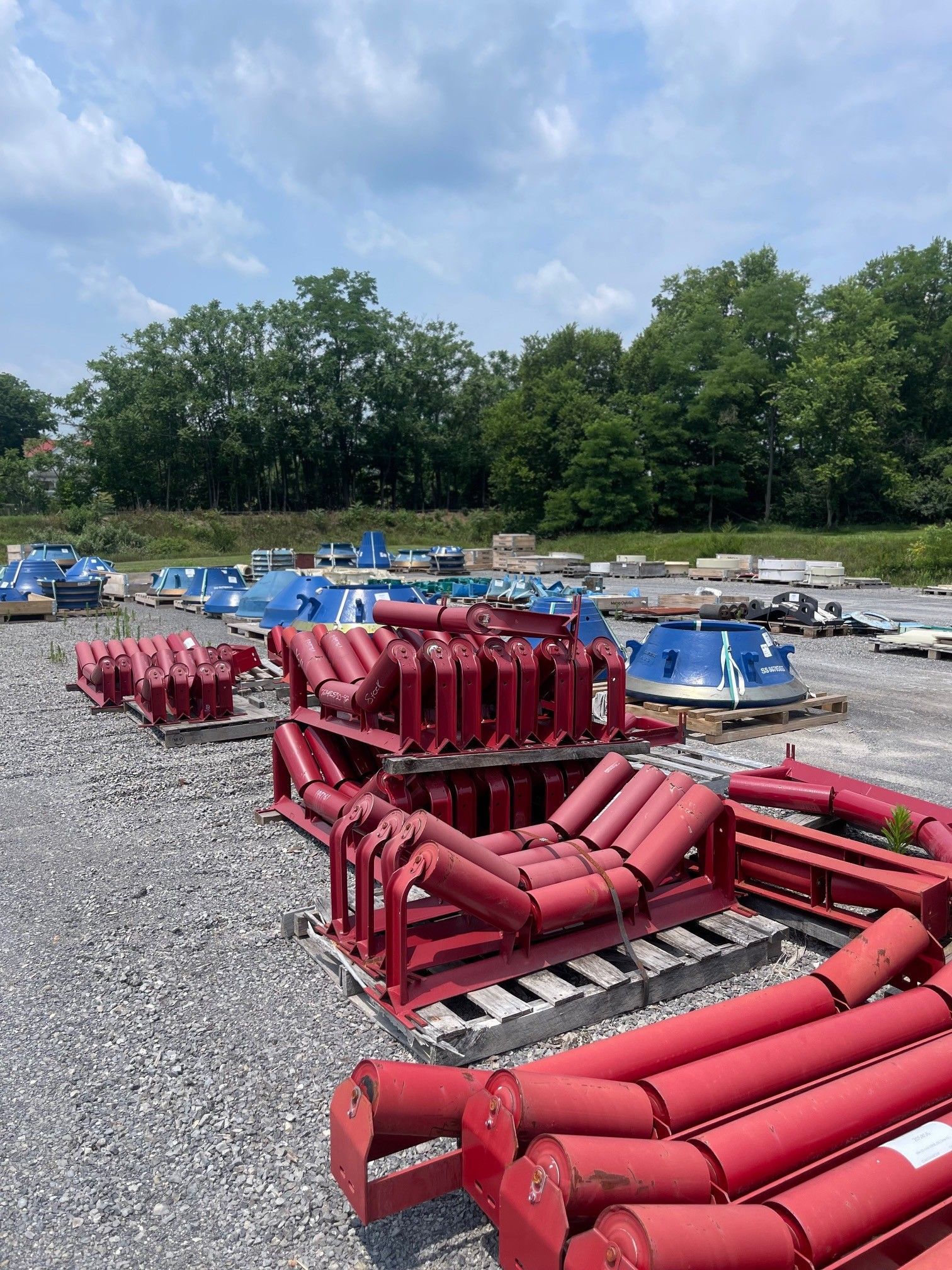
Every crusher type has wear components(liners, jaws, hammers, mantles, concaves, bearings, belts, and seals) that break down over time. Premature wear typically results from:
• Highly abrasive feed material
• Overloading the crusher
• Incorrect feed distribution
• Insufficient lubrication
• Ignoring early signs of wear
• Using low-quality aftermarket parts
Without routine maintenance, small issues escalate quickly, leading to costly repairs or extended downtime.

How to Minimize Wear and Extend Crusher Life
Proper maintenance is the most effective way to extend the life of your crushing equipment. Here are KastRock’s top recommendations:

1. Perform Regular Inspections
Routine checks help you catch early signs of wear before failure occurs. Inspect:
• Bearings and seals
• Liners and wear plates
• Belts, drives, and tension systems
• Feed chutes and discharge points
Detecting issues early prevents larger, more expensive problems later on.

2. Choose Premium Wear Parts
The quality of your wear components directly affects performance. High-grade alloys and OEM-spec materials last significantly longer and resist abrasion more effectively than cheaper alternatives. Investing in better parts can drastically reduce long-term maintenance costs.

3. Improve Lubrication Practices
Using lubricants formulated for heavy-duty crushing equipment reduces friction, heat buildup, and component fatigue. Proper lubrication:
• Enhances energy efficiency
• Prevents metal-on-metal contact
• Extends bearing and shaft life
A consistent lubrication schedule is one of the simplest ways to prevent premature failures.

4. Maintain a Steady, Controlled Feed
Uneven or overloaded feed can cause:
• Shock loads
• Excessive vibration
• Rapid wear on internal components
Feeding your crusher at a slow, steady, and consistent rate helps distribute material evenly across wear surfaces and protects the machine from unnecessary strain.

5. Keep Components Clean
Dust and debris build up quickly in crushing environments. Keeping surfaces clean reduces friction, prevents contamination, and protects seals and moving parts. Even small amounts of debris can accelerate wear significantly.

Protect Your Investment With Proper Crusher Maintenance
Your rock crusher is a major investment and safeguarding it through proper care is essential for long-term success. By understanding the causes of premature wear and implementing proactive maintenance strategies, you can:
• Reduce downtime
• Improve operational efficiency
• Extend component life
• Maintain a safe working environment
• Avoid unexpected repair costs

At KastRock, we’re committed to helping customers keep their equipment running at peak performance. From high-quality wear parts to expert support, we provide the solutions you need to keep crushing efficiently.


By 7016535987 August 24, 2026
Choosing the Right Wear Protection Matters
By 7016535987 August 10, 2026
Every Minute Counts!
By 7016535987 July 27, 2026
The Key to Consistent Performance
By 7016535987 July 13, 2026
How Metso Crushing Equipment Delivers Lower Cost Per Ton
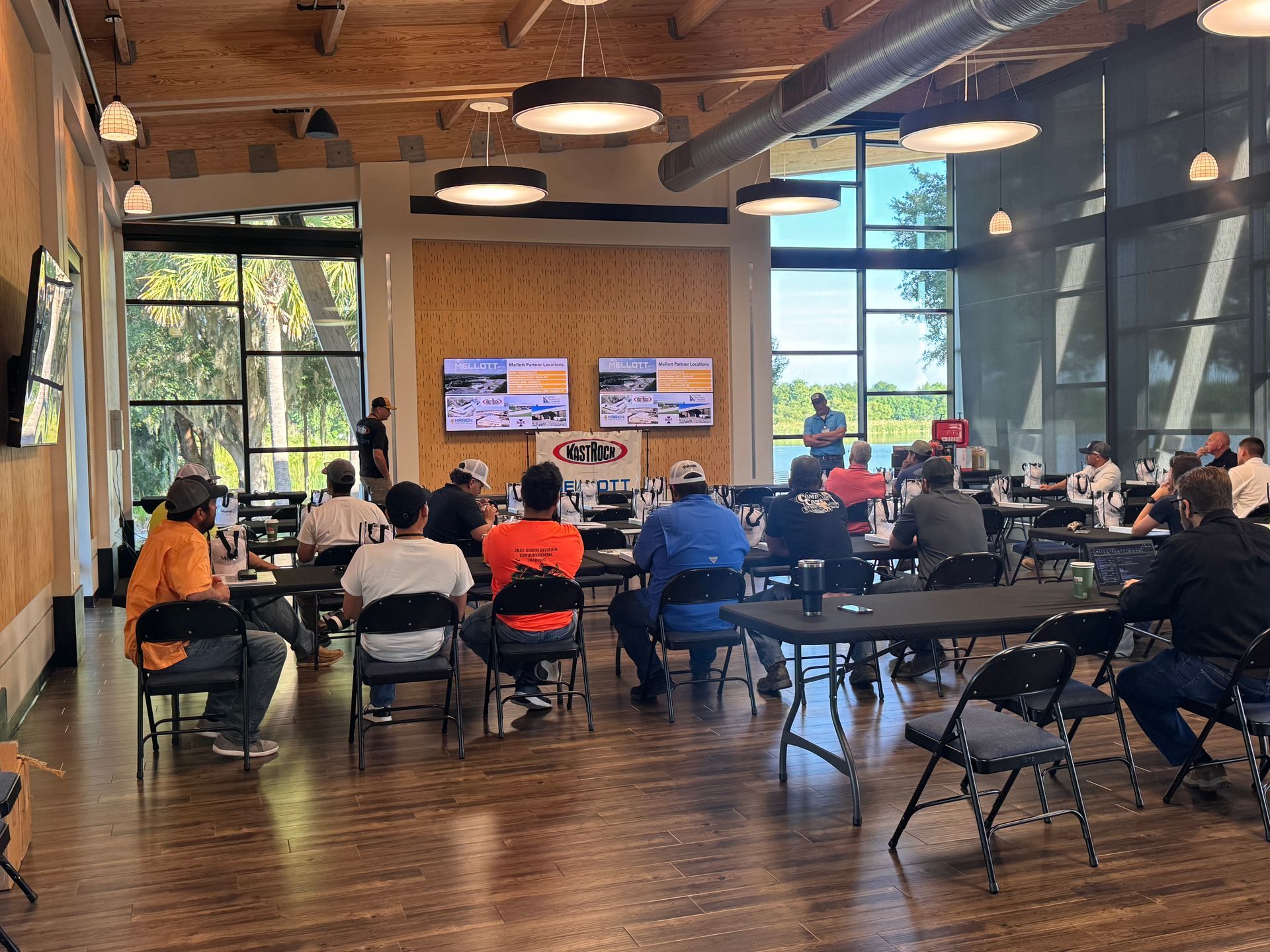
By 7016535987 July 1, 2026
Teaming Up With Metso
By 7016535987 June 16, 2026
Maximize Performance with Proper Screening Solutions
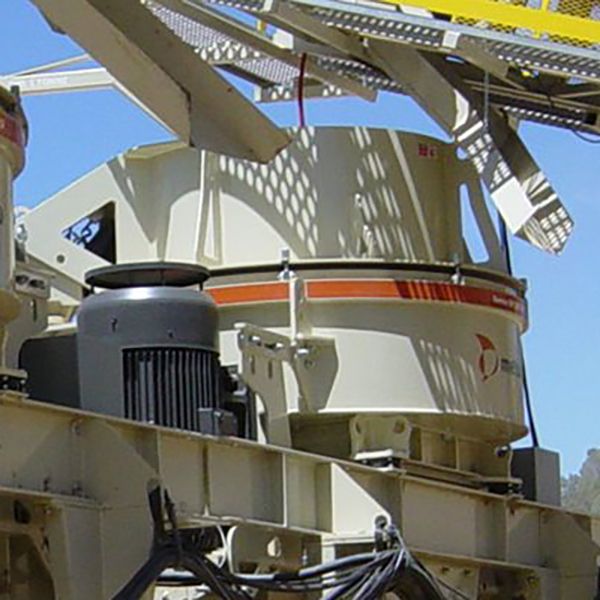
By 7016535987 June 2, 2026
Which Impact Crusher Is Right for Your Operation?
By 7016535987 May 19, 2026
Why More Producers Are Choosing Metso Equipment
By 7016535987 May 8, 2026
Which Mobile Screening Solution Is Right for Your Operation?
By 7016535987 April 13, 2026
When crusher repairs or scheduled maintenance are on the horizon, one of the most common questions aggregate producers ask is whether OEM parts are truly worth the investment. While lower-cost aftermarket options may seem appealing upfront, the long-term value of the right replacement part often goes far beyond the purchase price. At KastRock, we help customers make informed decisions that support uptime, production efficiency, and total cost control. If you are evaluating replacement components for your crushing equipment, this guide explains the real value of Metso OEM crusher parts and when they may be the smartest choice for your operation. What Are Metso OEM Crusher Parts? OEM stands for Original Equipment Manufacturer. Metso OEM crusher parts are designed and produced to meet the exact specifications of the original crusher model. These parts are engineered for compatibility with Metso crushing equipment and may include: • Jaw crusher wear parts • Cone crusher mantles and concaves • Impact crusher blow bars • Bearings and bushings • Hydraulic components • Seals and hardware • Mechanical assemblies • Electrical and control system components Because they are built to original standards, OEM parts are intended to deliver consistent fit, performance, and reliability. Why Crusher Part Quality Matters A crusher operates under extreme loads, vibration, and abrasive conditions. Even a small variation in part dimensions, metallurgy, or tolerances can affect machine performance. The wrong replacement part can lead to: • Reduced throughput • Poor product gradation • Premature wear • Increased power consumption • Installation issues • Unexpected downtime • Damage to surrounding components Choosing quality crusher parts is about protecting production, not just replacing worn items. Key Benefits of Metso OEM Crusher Parts Precision Fit and Compatibility One of the biggest advantages of OEM crusher parts is proper fitment. Components designed specifically for the original machine help reduce installation issues and support intended operating clearances. This can shorten maintenance windows and help your crusher return to service faster. Consistent Performance Metso OEM parts are engineered to perform with the crusher’s original design parameters. That means wear parts, mechanical components, and chamber profiles are developed to support efficient crushing performance. This often results in: • Better throughput • More consistent product size • Improved reduction ratios • Predictable wear life High-Quality Materials and Engineering Crusher components experience intense wear and stress. OEM parts are manufactured using materials and processes selected for those demanding environments. Depending on the application, that may include specialized alloys, heat treatment standards, and wear profile engineering that supports longer service life. Reduced Risk of Secondary Damage A lower-cost part that fails early can create much higher costs later. Misfit or underperforming parts can accelerate wear on shafts, frames, bearings, and other expensive components. Using properly engineered OEM parts may reduce the risk of avoidable collateral damage. Are Metso OEM Parts More Expensive Up Front? In many cases, yes. OEM crusher parts may carry a higher initial purchase price than some aftermarket alternatives. However, purchase price alone does not tell the full story. The true cost of a crusher part should include: • Expected wear life • Downtime during replacement • Lost production from failures • Labor costs • Damage to related components • Product quality impacts • Frequency of replacement A part that costs less but fails sooner may end up costing more overall. When Metso OEM Crusher Parts Are Definitely Worth the Cost Critical Components For high-value internal components such as bearings, shafts, bushings, hydraulic assemblies, or precision mechanical systems, OEM parts are often the preferred option because reliability matters most. High-Production Operations If your plant runs at high tonnage or has tight production schedules, downtime can be extremely costly. OEM parts can help support consistent uptime and predictable maintenance intervals. Specialized Crushing Applications Operations processing hard, abrasive, or difficult material often benefit from parts engineered specifically for that crusher and application. Warranty or Performance Requirements Some operations prefer OEM parts to align with warranty expectations, service planning, or fleet standardization. When Aftermarket Parts May Be Considered There are situations where quality aftermarket crusher parts can be an option, particularly for non-critical items or older machines. The key is ensuring the supplier has a proven reputation, strong quality standards, and dependable support. Not all aftermarket parts are equal. Extremely low-cost options can carry higher risk. How to Compare OEM vs Aftermarket Crusher Parts When evaluating replacement parts, ask these questions: • What is the expected wear life? • How accurate is the fit? • Is metallurgy suited to my material? • What downtime risk exists if the part fails? • Will this affect crusher performance? • Is supplier support available quickly? • What is the real cost per ton processed? This approach often leads to better decisions than comparing price alone. How KastRock Helps Customers Choose the Right Crusher Parts At KastRock, we understand that every crushing operation has different priorities. Some customers prioritize maximum uptime, while others focus on budget planning or lifecycle cost reduction. Our team works with producers to identify the right parts strategy based on: • Equipment model • Material type • Production demands • Maintenance schedule • Budget goals • Lead time requirements Whether OEM crusher parts or another qualified solution makes sense, we help customers make practical, informed decisions. Final Verdict: Are Metso OEM Crusher Parts Worth the Cost? The answer is yes! When uptime, reliability, performance, and equipment protection matter, Metso OEM crusher parts can deliver value that extends well beyond the purchase price. The lowest upfront cost is not always the lowest operating cost. Contact KastRock for Crusher Parts Support KastRock can evaluate your equipment, operating conditions, and maintenance goals to recommend the best path forward. Contact us today to discuss Metso OEM crusher parts, wear components, and solutions designed to keep your operation productive.